
Define passenger requirements
Record normal occupancy, entry and exit needs, and the seating adjustments important to the customer. For child restraints, have the intended arrangement assessed against the vehicle and restraint instructions. Do not claim universal suitability from a photograph of the rear seats.
When the review is remote, request a video with ordinary seating positions and identify adjustments being shown. A staged lifestyle image communicates design rather than measuring usable space. Keep any measurement with the position in which it was taken.
If the family is also considering a three-row model, the L6 versus L9 buying comparison starts with the required seating arrangement and usable space.
The L6 and L7 candidate comparison tests the same occupants and bags before model positioning is credited with a useful benefit.
For regular adult travel, the adult rear-journey assessment fixes normal front positions and states observation limits.
For a driver-position constraint, the tall-driver position decision includes access and the space left for required passengers.
Check the actual load arrangement
Identify awkward cases, pushchairs or business items by their relevant dimensions. Ask about the opening and load shape with rear seats in the intended position. Folded-seat capacity and luggage space with passengers aboard are different use cases.
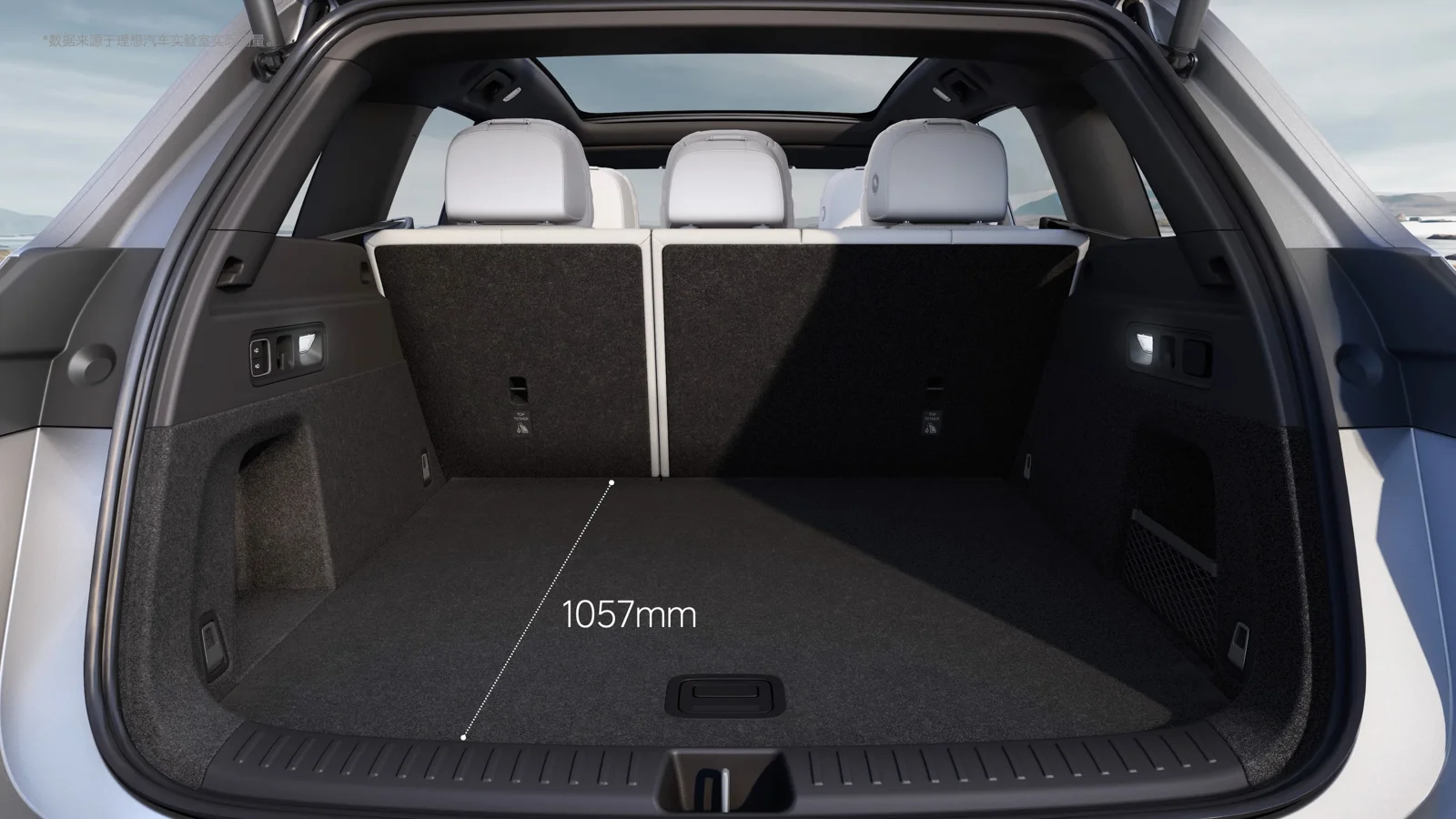
The reference luggage image is from the 2024 launch period and shows rear seatbacks upright. Its displayed measurement is not a universal dimensional guarantee for every offered vehicle. Confirm fit and documented load limits for the actual candidate before promising a particular carrying arrangement.
For bulky family equipment, the L6 pushchair and luggage check focuses on the opening, normal seat layout and the exact items being carried.
Verify comfort equipment
List the cabin features the customer requires and ask for proof that they are fitted and operate. Equipment may differ by period and configuration. Use the trim guide and year checklist instead of applying one launch presentation to all vehicles.
For a used candidate, photograph wear and test accessible controls within the inspection scope. Discuss cosmetic expectations before preparation. A clean-looking cabin does not establish maintenance history, software service availability or the condition of every seat function.
Where the fridge is an essential convenience, the fitment and normal-use checklist helps separate installed equipment, physical condition and remote-service requirements.
The shared-driver adjustment review keeps each user’s achieved position distinct from controls and generic comfort claims.
Keep the outcome in the buying record
Write a short result for each essential requirement. Mark uncertain fit or unavailable demonstrations as unresolved. A dealer can then decide whether to request further evidence or choose a different candidate without overpromising to the customer.
For several cars, retain individual equipment and condition differences. The inspection record should connect cabin findings with the wider vehicle. One high-specification example should not represent an entire batch unless each unit has been checked against the same requirements.
For company journeys, the business and airport assignment review combines actual adults and luggage in the same assignment.
Example: luggage and passengers together
A customer needs to carry a bulky case while using the rear seats. A seller sends a photograph with the seats folded. Request dimensions or a demonstration with the intended passenger arrangement instead. If the case cannot be tested remotely, make that uncertainty explicit. The decision concerns an opening and usable shape, not simply whether a large cargo volume appears in advertising. Preserve the result so the receiving customer understands exactly what was checked.
Dated model references: 2024 Li L6 launch, 2025 update, and July 2026 new L6 announcement. Confirm the specification and condition of the individual offered vehicle.