
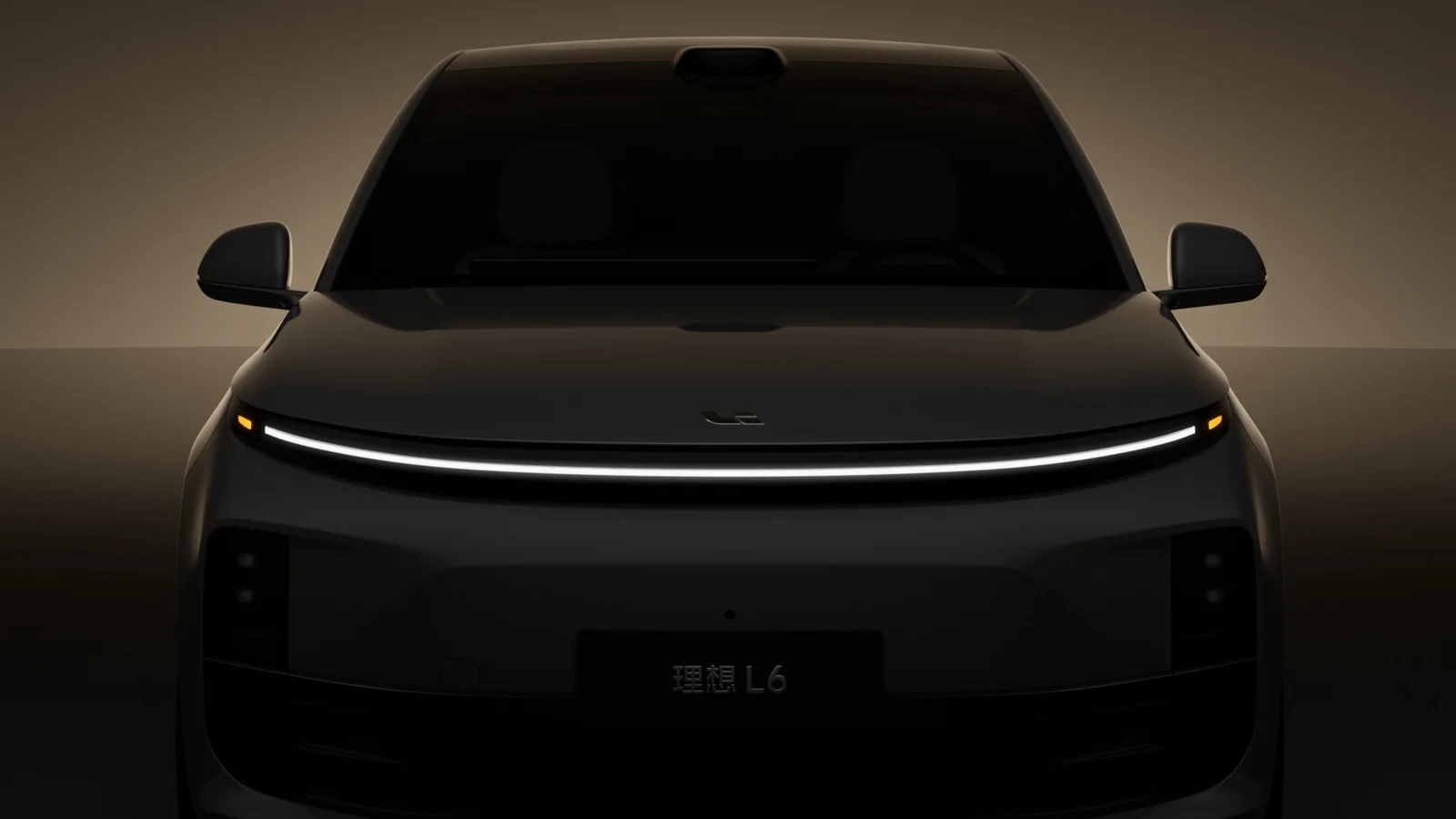
Establish each actual model and period
Record original designation, production evidence and configuration for both cars. The L6 period guide applies to this candidate; L7 needs its own supported records. Do not transfer a current manufacturer presentation to an earlier offer or assume matching years mean matching equipment schemes.
Use persistent references for media, quotations and findings. A substitute requires a new record. Similar family styling should not allow a photograph or favourable report from one model to establish the other. Leave unconfirmed fields visible until the relevant evidence identifies the actual proposal.
Compare the intended people rather than exterior size
Set the front positions for the normal occupants, then assess the needed rear places and access. The passenger arrangement review retains the full task. A larger-looking body cannot prove every person's fit or sustained comfort.
Use the stated luggage with required seats occupied. Folding a needed place does not answer the brief. Record the observations and limits of remote assessment. If additional space is the reason to consider L7, establish the useful difference on the actual car rather than crediting it from a model name.
Include parking and everyday functions
The garage decision keeps mirrors, doors and loading movement in view. A cabin advantage can coexist with an unsuitable entrance. Demonstrate mandatory phone, seat or parking methods on both cars rather than assuming the higher model covers every function.
If one essential is missing, ask whether the customer accepts that difference. Unrelated extra equipment should not compensate silently. Personal observations should remain tied to the assessed occupants and conditions instead of becoming universal comfort statements for all examples of either model.
Align evidence and completed commercial scope
Used candidates need relevant histories and suitable current findings. New proposals need their actual status, specification and delivery checks. The quote reconciliation guide aligns currency, preparation, supplied items and transfer stage.
Obtain receiving-provider answers for the identified systems. Do not infer common repair amounts or interchangeable parts from shared branding. A premium should earn a supported customer benefit, not a guaranteed resale or reliability claim. Open work remains outside confirmed totals until the responsible party defines it.
A buyer asking for more useful rear room
Suppose the L6 meets the ordinary arrangement but the customer is curious about L7. Assess both under the same front settings and bags. If the actual L7 resolves a relevant limitation, describe that specific result. If both fulfil the brief, another wanted benefit must justify the difference.
Retain the accepted model and permitted alternatives in the order requirements. The C10 comparison examines a separate proposition without merging SUVs into an interchangeable category. A replacement needs the same essential checks and its own evidence rather than inheriting approval from the family's model hierarchy.
Choose the next action
| Finding or requirement | Purchase response |
|---|---|
| Model positioning drives the preference | Ask which actual benefit the customer expects and verify it on the candidate. |
| Space is the deciding issue | Use consistent occupants, front positions and bags before assigning value to a larger body. |
| Both offers meet essentials | Compare supported condition, useful extras and complete commercial scope. |
Evidence to keep with the decision
- Identify each L6 and L7 proposal by production context, actual version and current evidence reference. Preserve original configuration records rather than aligning translated trim labels into an assumed equivalent tier; model positioning alone cannot establish identical cabin functions, hardware or the terms of the proposed offer.
- Keep the same regular occupants in the fit brief for both candidates, with front positions fixed for their actual users. Record access and rear accommodation separately; a visual impression of a larger body does not resolve the space available once the ordinary driver is comfortably positioned.
- Prepare one realistic baggage set and state which seats remain occupied. Photographs of different loads or folded-seat arrangements should not be compared as if they represented the same journey. A generous empty boot presentation may leave the buyer's required passenger and luggage combination unanswered.
- Retain the customer's parking constraints, including ordinary door opening and rear loading, with the relevant actual measurements. Separate vehicle outline from usable clearance at the address; a model category or parking camera cannot supply the room needed to exit, load or complete a safe manoeuvre.
- Ask the receiving support provider about each identified candidate and known requirement. Keep replenishment and relevant service scope separate from the seating decision; evidence supporting one L6 configuration should not automatically be carried into the L7 alternative because the brand and operating description are familiar.
- Align quoted scope and condition before valuing a model change. Write the useful benefit actually achieved for the customer's recurring trips, any concession required and the untested personal-fit question. Preserve a decision to defer when the proposed premium rests chiefly on a broad larger-model claim.
Questions buyers ask
Is Li L7 automatically preferable to L6?
No. The customer's actual requirements and candidate evidence determine the useful comparison.
Can matching model years prove matching systems?
No. Establish each offered configuration independently.
Relevant references: Li Auto: February 2023 L7 launch; historical configuration reference. Keep these within their stated market and date; verify the selected vehicle separately.