
Fix the passenger requirement first
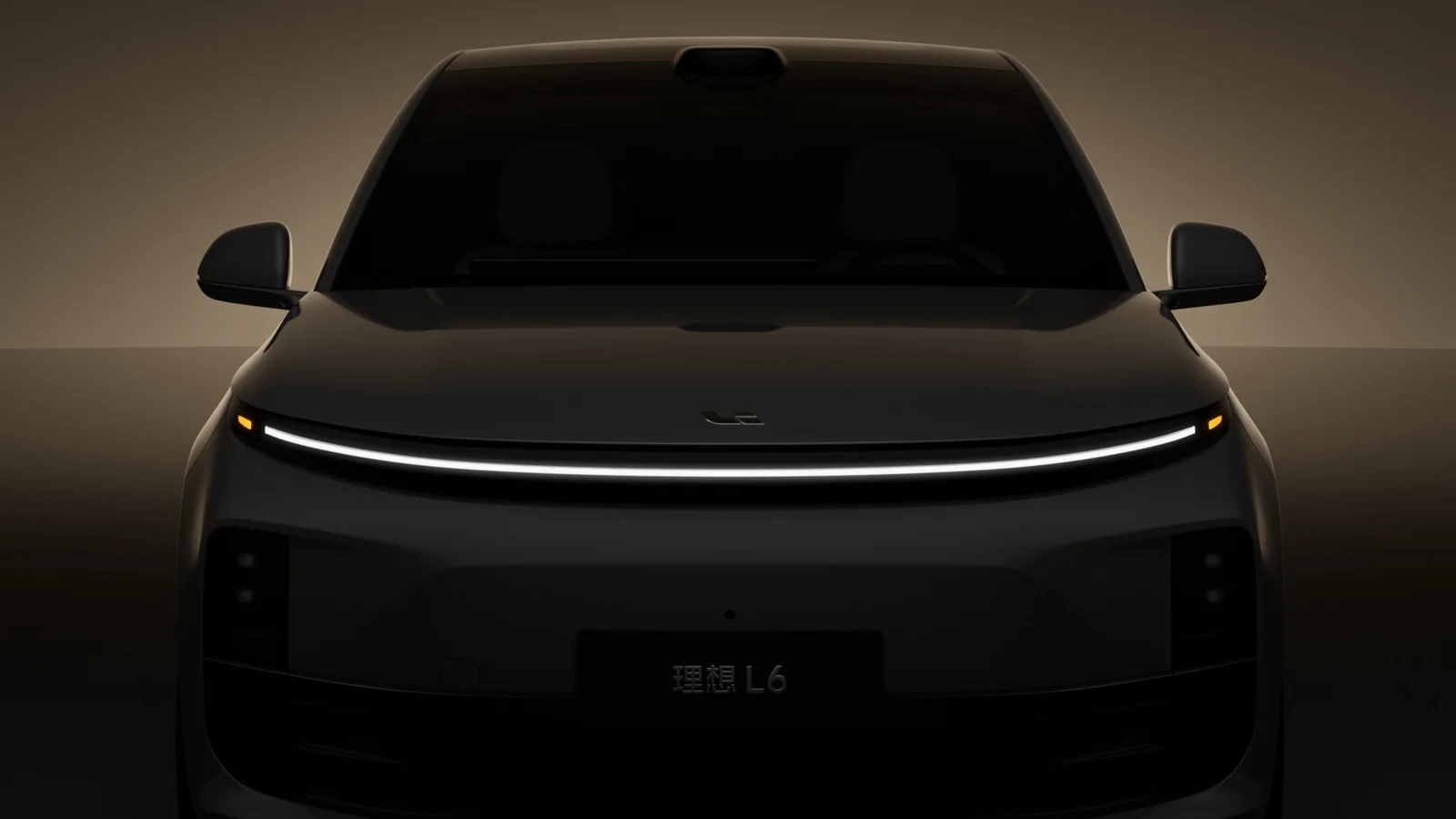
Li Auto introduced the L6 as a five-seat family SUV and the original L9 as a six-seat family flagship. Use those dated descriptions as the starting distinction, then verify the actual offered versions. Do not infer every later configuration, seat function or market-specific detail from a broad family name.
The L6 passenger-space review helps establish who needs to travel together and which positions must remain usable. If six seats are mandatory, a five-seat candidate is not an equivalent substitute. If the family normally uses fewer positions, evaluate the practical layout rather than assuming an extra row is inherently valuable.
Compare luggage with the required seats occupied
Ask for demonstrations using the real luggage requirement and normal seating arrangement on each candidate. A folded-seat capacity comparison can hide the usable space left when all required passengers are aboard. Keep the exact arrangement and any dimensional substitute used in the record.
The L6 pushchair check gives bulky equipment a specific review. Apply the same practical standard to an L9 alternative instead of comparing an actual L6 demonstration with only a catalogue image of the larger model. Loading access and item shape may matter as much as a published volume.
Include the customer’s parking conditions
Establish the available parking dimensions and the space needed for doors and luggage access. Verify the actual vehicle dimensions from appropriate information for each version. Do not assume that a familiar-looking garage or an advertised parking assistant removes the need for a practical local fit assessment.
For a customer frequently using tight spaces, ease of access may outweigh equipment they rarely use. Record that preference separately from an objective incompatibility. A sourcing brief should explain which constraints are fixed and which can be accepted, so alternatives can be discussed without silently changing the buyer’s requirements.
Compare equipment within the correct model periods
Give each proposal its own production and trim record. The two model names can span updates, so an equipment difference between selected cars should not be advertised as permanent across every year. Request demonstrations of the actual comfort, charging and connected functions that affect acceptance.
Keep regional online services and driver-assistance capabilities separate from the physical equipment list. A display or sensor does not establish destination functionality. If an essential feature remains unconfirmed, record it as pending rather than treating the more expensive model as automatically satisfying the requirement.
Assess condition independently of model hierarchy
Compare new-car status and delivery evidence on their own terms. For used candidates, obtain history and a current inspection for each vehicle. An L9 badge does not establish better present condition than a documented L6, and a recent registration does not replace production or maintenance information.
Where work is identified, obtain the responsible provider’s scope and verification requirements. Ask about support for the specific application at destination. Do not transfer one car’s inspection result, battery report or service allowance to another model merely because both use an extended-range operating concept.
Bring quotations onto the same basis
The quotation and handover guide separates vehicle price, preparation, supplied items and delivery scope. Use the same cost categories for the alternative. A lower headline quotation may omit work or services included in the other proposal, making the initial difference misleading.
Avoid assigning an invented resale premium or guaranteed future saving to either model. If those considerations matter, obtain relevant market evidence separately. The immediate decision can still be useful when it compares confirmed vehicle fit, condition and commercial terms rather than relying on broad prestige or value claims.
Send a seating-led brief to Panda
State the destination, required passenger count, quantity, new or used preference and essential equipment. If either model is acceptable, identify the conditions under which an alternative works. Ask for separately described proposals so the family’s seating requirement remains clear throughout the comparison.
Consider a customer who needs six occupied positions on every trip against one who mainly carries four people and bulky luggage. Their useful shortlists may differ even with the same budget. Retain the accepted arrangement and recheck it after any substitution; the final choice should follow the actual use, not a universal claim that one model wins every comparison.
Relevant references: Li Auto: 2024 L6 introduction, Li Auto: 2022 L9 introduction. Keep these within their stated market and date; verify the selected vehicle separately.