
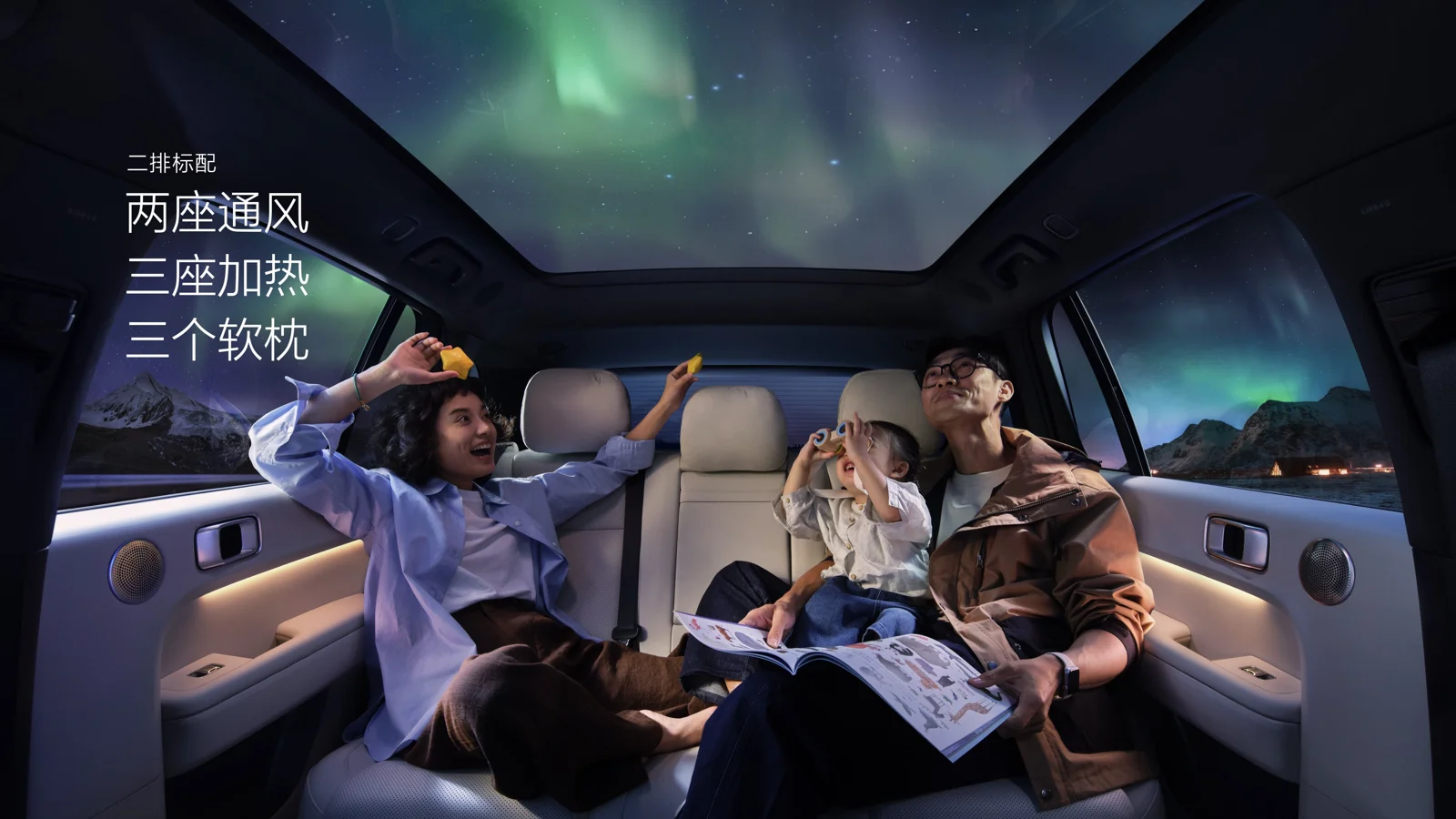
Describe regular and occasional use
State the adults, positions and journey duration that matter. Occasional visitors can permit a different compromise from routine intercity use. The whole passenger brief connects those needs to the actual configuration.
Do not approve a regular arrangement from an easier one-person setup. Identify any required occupant or movement not represented remotely. A manufacturer dimension can provide context without establishing personal accommodation on the offered unit or the buyer's experience over several hours.
Set the front positions consistently
The driver-fit review fixes the limiting front setting where relevant. Show enough of the car to understand the actual position. Moving the front seat forward between photographs can make the rear comparison misleading.
Review each required side rather than assuming the favourable rear place represents all positions. If the buyer needs a full combined arrangement, assess it as such. Remote measures should retain their reference points and limits instead of becoming a universal comfort guarantee.
Include access and useful cabin functions
Entering and leaving can differ from fit once seated. Appropriate personal assessment may be needed for specific access requirements. A door-open photograph cannot establish easy movement for every adult.
The seat-option guide keeps actual functions separate from trim appearance. Required rear features should be identified and appropriately demonstrated on the candidate, not borrowed from another period's presentation. A useful control result does not prove sustained comfort under every load or climate.
Review the passenger area and full trip
Use the condition record for relevant wear, disclosed work and provider findings. New proposals need delivered configuration and condition checks too. Attractive front trim does not answer the rear area's condition or every supplied function.
Combine the actual bags and occupied seats where journeys require them. The business and airport decision applies that task to another specific use. Keep a brief observation distinct from a longer personal assessment and retain any untested part before the car is described as suitable.
Four adults with a limiting driver position
Suppose the dealer needs regular trips for four adults, but evidence shows one rear passenger behind a moved-forward front seat. Request the relevant complete setup. The existing picture can remain useful for appearance while leaving the required arrangement unresolved.
The candidate may suit another task with fewer occupants or shorter trips; record the intended assignment rather than rejecting or approving the whole model universally. If the selected seat or build changes, repeat the relevant fit review. The retail explanation should preserve the actual assessment and accepted limitation.
Choose the next action
| Finding or requirement | Purchase response |
|---|---|
| Front settings are unrecorded | Establish the normal setup before interpreting rear space evidence. |
| Regular long trips are required | Keep short observations limited and seek appropriate personal assessment where necessary. |
| Combined occupants and bags matter | Review the complete arrangement rather than separate favourable images. |
Evidence to keep with the decision
- Identify the regular rear passengers, their journey pattern and the front users whose positions constrain available room. Keep this brief beside the assessment so a spacious empty-cabin photograph is not substituted for the actual arrangement, or a favourable result for one occupant extended to every adult.
- Retain front seat settings and the rear places occupied during the demonstration. Ask for consistent positions across candidate comparisons; moving the driver forward to improve a rear-space photograph may leave the buyer's ordinary journey unanswered, even if the resulting media appears comfortably arranged.
- Record access, seating position and relevant cabin controls as separate observations. A short seated visit can answer some questions while leaving sustained comfort uncertain; specify which people and movements were represented rather than converting basic knee clearance into a broad long-journey recommendation.
- Keep the realistic baggage requirement with the same occupied-seat setup. Do not approve a regular adult journey from a folded-seat loading image or assume unoccupied extra space is available on the intended trip; the accepted passenger and luggage combination should remain explicit in the decision.
- Attach rear cabin and seat condition findings to the individual vehicle, including disclosed work and unassessed concerns. Observed comfort cannot establish complete operating or electrical condition, and a clean interior does not replace evidence for a reported adjustment, restraint or other relevant fault.
- Write the customer's achieved benefit and remaining personal-fit limitation beside aligned offer scope. Where the actual passengers cannot assess the car, retain an appropriately cautious decision rather than promising universal fit; repeat the required setup if another unit with different seat equipment is proposed.
Questions buyers ask
Does a spacious rear image establish adult comfort?
No. Actual positions, people and journey needs require their own review.
Can one rear place prove the whole arrangement?
No. Assess the places and combinations important to the brief.
Dated model references: 2024 Li L6 launch, 2025 update, and July 2026 new L6 announcement. Confirm the specification and condition of the individual offered vehicle.