
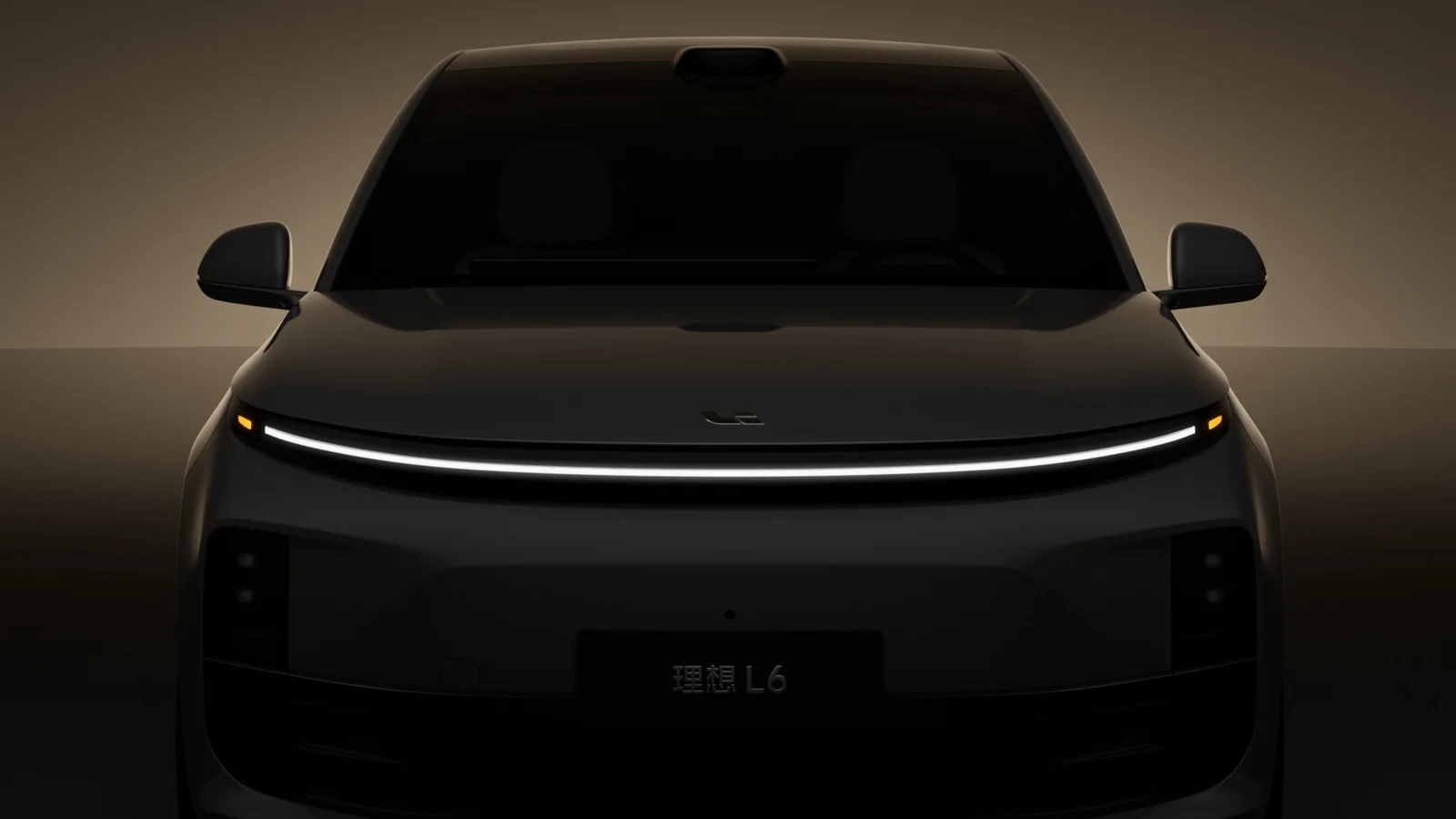
Identify the actual car and charger
Request inlet photographs, markings and configuration information for the offered vehicle. Keep them tied to its identity and production specification. A similar-looking L6 from another year or market is not a substitute for the candidate’s evidence.
Ask the customer for charger model, connector information, access arrangements and any network account requirements. Private installation and public network use involve different dependencies. A nearby charger does not automatically establish practical access or support for the proposed combination.
The garage-use buying assessment keeps physical garage layout distinct from provider-supported charging suitability.
Assess any proposed accessory
An adapter’s shape does not establish complete compatibility. Ask for its documented application, operating limits and the responsible provider. Electrical and communication requirements need assessment by suitably qualified providers, not a trial based only on physical fit.
List accessories individually in the quotation, including model and quantity where relevant. Distinguish supplied equipment from installation or destination purchases. The customer should know which parts of the charging plan are included and which remain to be arranged.
Record a specific charging session
A useful record identifies vehicle, equipment, date, conditions, starting charge level and result. Include duration and delivered energy where available. Preserve interruptions and warnings rather than reporting only a successful connection.
Observed speed depends on context and should not become a universal claim. A session on one charger does not establish operation on every network. The battery review also distinguishes this observation from a battery capacity or health assessment. State the scope of the evidence accurately.
The L6 20–80% charging-time guide explains the dated launch claim and how to record a complete session. Compare the same interval and conditions instead of judging performance from a peak-power screenshot.
Resolve local support before promising use
Identify the party responsible for installation questions, equipment concerns and vehicle-related diagnosis. Regional account access may also need checking. Do not assume one provider has accepted responsibility for every component of the system.
When destination testing is unavailable before shipment, record the verification that can be completed and the questions that remain. Keep the customer’s operating needs visible under the ownership plan. Extended-range capability does not eliminate the value of a reliable charging arrangement.
Without private charging, the no-private-charger decision records compatible access, practical timing and an accepted alternative.
Example: an accessory is offered as the solution
A seller proposes an adapter to address a destination mismatch. Before adding it to the accepted offer, ask which vehicle and charger combination it supports and who provides technical backing. The item’s price and availability do not establish its suitability. If evidence remains incomplete, record that charging compatibility is unresolved. A clear exception is more useful to the dealer than an optimistic promise that the customer will discover is unsupported only after the car arrives.
Dated model references: 2024 Li L6 launch, 2025 update, and July 2026 new L6 announcement. Confirm the specification and condition of the individual offered vehicle.