
Name the expected roof benefit
Ask whether the requirement is daylight, shade, a specific operating function or appearance. Those are different questions. The dated equipment review prevents a model-family illustration from becoming proof of every offered version.
Retain the original description and actual views. If the buyer expects opening capability, do not treat a broad glass-roof label as a pass. A fixed arrangement may serve another buyer well while failing this explicit need. Clarification should happen before the option is credited in the amount.
Observe relevant normal functions
Demonstrate applicable controls according to suitable instructions, recording methods and untested functions. A switch or menu can support presence without establishing the whole operating result. Retain unusual behaviour or reported faults for appropriate assessment.
The individual condition review keeps findings and limits together. New proposals also need matching specification and delivery checks. Do not force repeated movement to produce a favourable clip. A responsible provider should define work and verification for any assessed issue.
Include occupants and shade use
The driver-position guide examines personal fit with the actual roof arrangement. An extensive glass area cannot establish headroom or comfort for every person. Keep the preferred appearance and mandatory achieved position separate.
Describe how the shade or other required cabin function will be used. Climate expectations need relevant operating assessment independently of the roof. Avoid a universal comfort promise from a feature label. A customer may value daylight while another prefers a different arrangement with fewer wanted extras.
Investigate moisture questions separately
Staining, odour or reported moisture needs suitable cause and consequence assessment. The water-history purchase review prevents a roof assumption from settling wider condition questions. A tidy surface or seal does not establish that every relevant area is sound.
Price supported work and compare another candidate if necessary. Keep unresolved findings outside a completed-condition claim. The accepted premium should reflect actual useful equipment and customer limits rather than a promise that any roof-related issue is inexpensive or fully resolved by generic cleaning.
An enquiry using panoramic as shorthand
Suppose the buyer asks for panoramic but really wants a particular operating method. Identify that requirement, then establish the proposed car's system. If it differs, obtain explicit acceptance of the narrower benefit or seek another candidate rather than leaving the mismatch hidden in a broad description.
Retain the demonstrated functions, accepted condition and any limitation. If personal fit cannot be assessed remotely, mark it unconfirmed. A replacement with another arrangement requires renewed relevant review. This gives the dealer an honest option explanation without claiming that roof appearance proves opening, comfort or future fault-free operation.
Choose the next action
| Finding or requirement | Purchase response |
|---|---|
| Expected opening is essential | Verify the actual arrangement rather than assuming panoramic wording establishes that function. |
| Shade use is unconfirmed | Request appropriate ordinary evidence and retain any untested part pending. |
| Moisture findings exist | Obtain suitable assessment before treating the concern as an assumed minor roof remedy. |
Evidence to keep with the decision
- Write whether the customer wants daylight, a particular roof-opening function, effective shade or a combination. Keep these expectations separate; panoramic glass terminology alone does not prove an opening mechanism, and the buyer should not accept a roof configuration on an unsupported assumption about its operation.
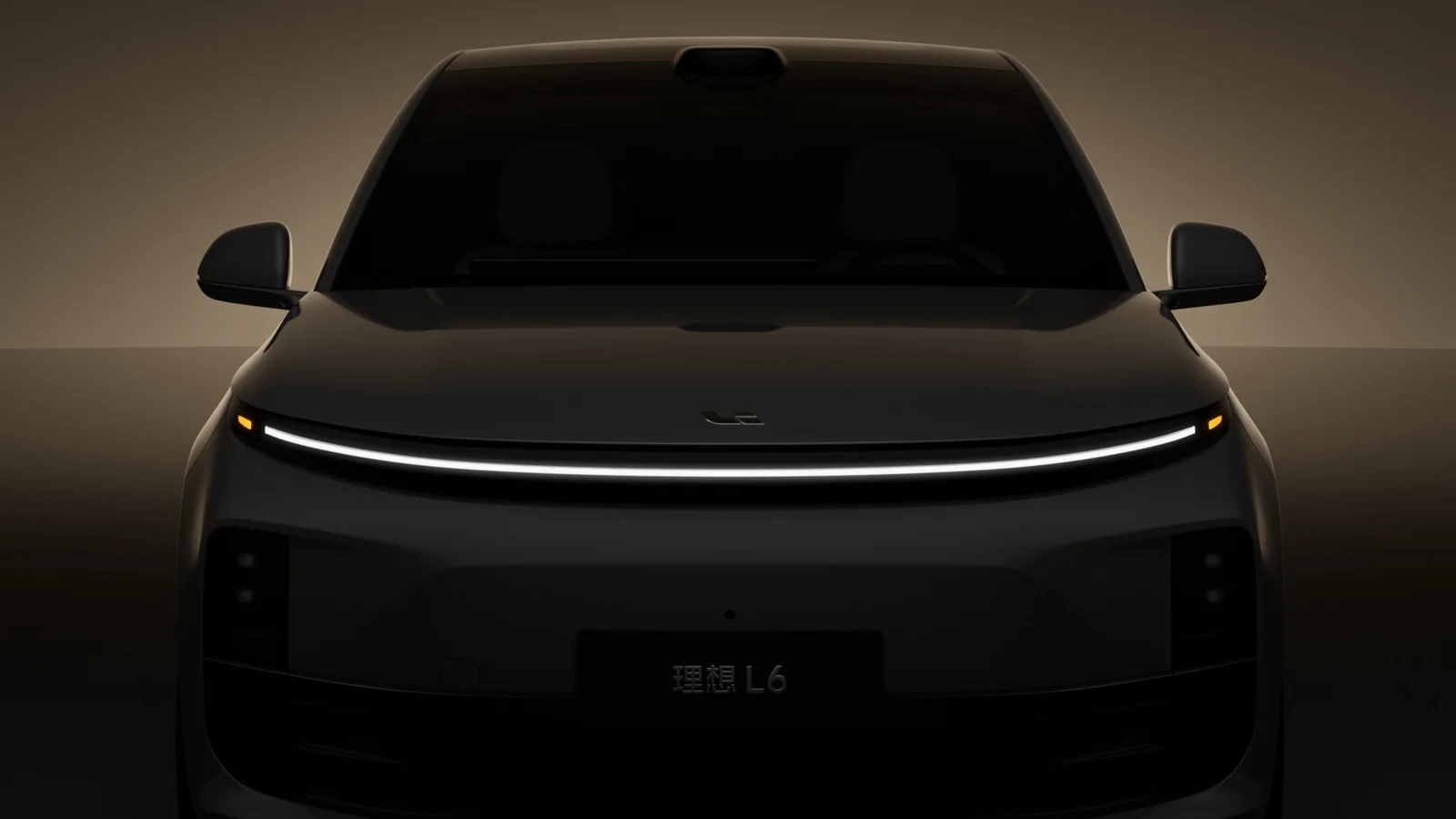
- Retain original configuration evidence and media of the actual roof and relevant controls. Label what is installed and what was demonstrated, with vehicle identity attached; a historical manufacturer photograph illustrates its presentation period rather than establishing that the offered car has identical roof equipment.
- Assess the roof preference against the regular occupants and parking context without promising universal cabin-temperature performance. Record the conditions represented in any observation and the buyer's accepted limitation; one shaded indoor demonstration cannot resolve the customer's comfort expectations in a different climate or routine.
- Keep the shade response and visible surface condition distinct from the roof's appearance. Where dampness, marks, prior work or a suspected fault are reported, preserve the relevant findings and request appropriate examination; a clean upper panel photograph cannot rule out every cause or consequence.
- Ask the relevant provider about supported remedy and completion evidence before valuing a promised repair. Do not present improvised covering or a proposed future fix as equivalent to the customer's required functioning equipment, and retain a decision to defer when the underlying question remains unresolved.
- Record the useful roof benefit beside the actual purchase premium and condition scope. If the buyer prefers a different arrangement, preserve that choice explicitly rather than treating more glass as automatically better; any substitute unit should repeat the equipment, operation and disclosed-history review before acceptance.
Questions buyers ask
Does a glass roof description mean it opens?
No. Establish the actual system and required function independently.
Can roof size establish comfort or fit?
No. The intended occupants and relevant cabin functions need their own review.
Dated model references: 2024 Li L6 launch, 2025 update, and July 2026 new L6 announcement. Confirm the specification and condition of the individual offered vehicle.